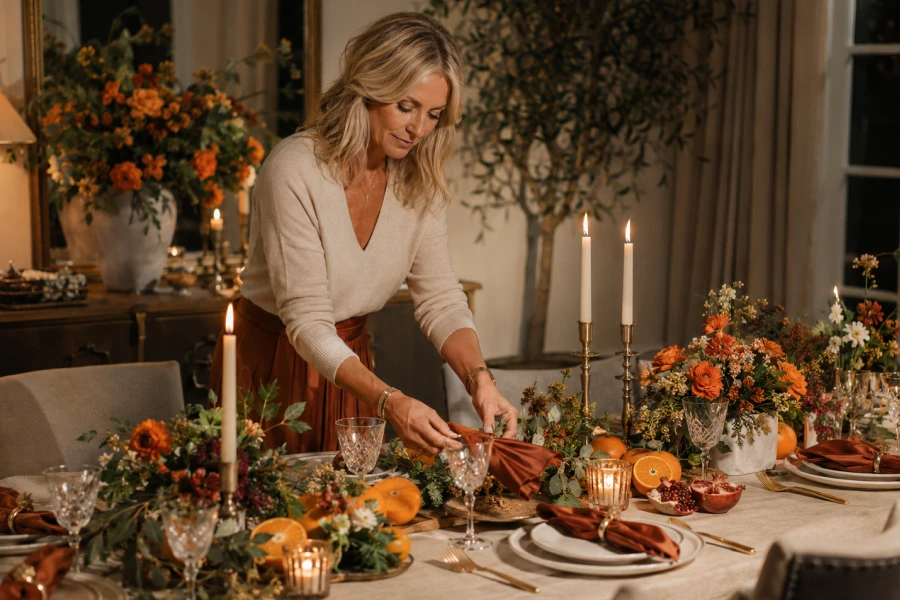
Hosting becomes much more enjoyable when you stop trying to do everything at once. Holiday hosting planning gives you a structure that protects both the atmosphere and your energy. The goal is not to create a flawless event. It is to create a gathering where people feel welcome and you feel present. A little preparation can prevent the most common last-minute stress. Start by deciding what kind of experience you want guests to have. Then build your food, décor, timing, and guest list around that feeling. Keep the plan realistic for your home and schedule. A calm host sets the tone for everyone else. When the preparation supports you, the celebration becomes easier to enjoy.
A good gathering feels effortless because someone thought about the details in advance. That does not mean every element needs to be formal or complicated. It means you know what matters most before the day becomes busy. A clear holiday hosting timeline gives you a place for shopping, cleaning, cooking, and decorating. It also helps you protect time for yourself. When each task has a reasonable moment, you can stop carrying everything in your head. This reduces the feeling that something important may be forgotten. A simple written plan creates more confidence than a perfect mental list. That confidence shows in the way you welcome people. Guests often feel calmer when the host feels calm.
Every event benefits from a point of view. Decide whether you want the gathering to feel cozy, lively, elegant, casual, nostalgic, or playful. That choice should guide every other decision. It helps you choose colors, music, menu style, and the amount of formality. A warm, relaxed dinner needs different choices than a high-energy holiday party. Do not combine too many moods at once. Pick one atmosphere and let it shape the room. This makes the event feel cohesive without requiring expensive décor. Guests notice when the details feel connected. They may not describe the design choices exactly, but they will remember how the room made them feel.
Guest comfort depends on more than seating. Think about where people will enter, place coats, get drinks, and begin conversations. The most useful guest flow planning prevents bottlenecks before they happen. Keep food and drinks accessible without placing everything in one crowded corner. Create at least one place where people can sit and another where they can stand comfortably. Move fragile or unnecessary items away from high-traffic areas. Give guests a clear sense of where they can go without needing instructions. These small adjustments make the gathering feel more relaxed. They also help you avoid spending the evening managing the room. Good flow quietly supports better conversation and easier hosting.
A strong menu supports the atmosphere instead of competing with it. Choose dishes that make sense for the size and timing of your gathering. Avoid planning too many complicated recipes that need attention at the same moment. A thoughtful festive menu coordination considers ingredients, serving space, allergies, and prep time together. Look for dishes that share components or can be prepared in advance. Keep one or two moments special, then make the rest easy to manage. Guests remember whether they felt cared for, not whether every course required a complicated technique. A simple menu served calmly often feels more generous than an ambitious menu served under pressure. Build the food plan around your actual energy, not an idealized version of the event.
Atmosphere comes from layers rather than one dramatic decoration. Lighting, scent, texture, and music can make a home feel festive without overwhelming it. The best holiday table styling begins with comfort. Choose enough light for guests to see their food and one another. Add simple textures such as linen, greenery, candles, or seasonal fruit. Keep the center of the table low enough for easy conversation. Use music to fill quiet moments without making the room feel loud. These choices create warmth without demanding attention. A well-styled room gives guests permission to settle in. It makes the holiday feel intentional from the moment they arrive.
The best hosting plan includes breaks and limits. Decide what you will not do this year. Maybe you will not make every dish from scratch. Perhaps you will simplify décor or ask guests to bring one contribution. These choices are not signs of failure. They are signs that you want to enjoy the event too. Set a time when active preparation ends. Leave the final hour for getting ready, adjusting the room, and taking a breath. A holiday gathering should not require you to disappear into the kitchen all night. When you protect your energy, you have more space for conversation and connection. That is the part guests remember most clearly. A relaxed host creates a relaxed celebration.


Leave a comment